Everything you wanted to know about turning waste into value.
Technical documentation, guides and reference material about FastOx® gasification technology, the chemistry of gasification and the future of using waste to decarbonize energy, fuels and chemicals.
Primary documents
 Technology
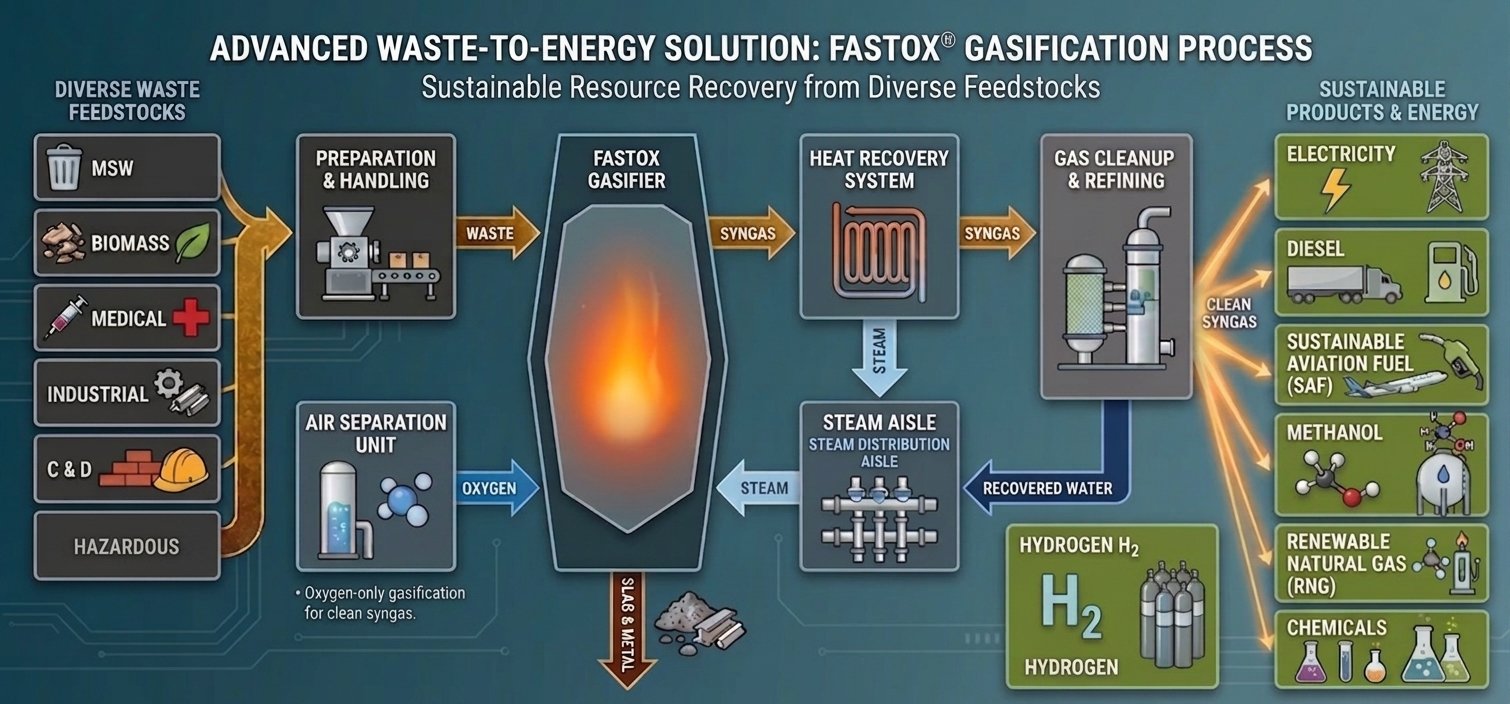
 Technology overview
The FastOx gasification process, its outputs and byproducts in one page.
 Technology
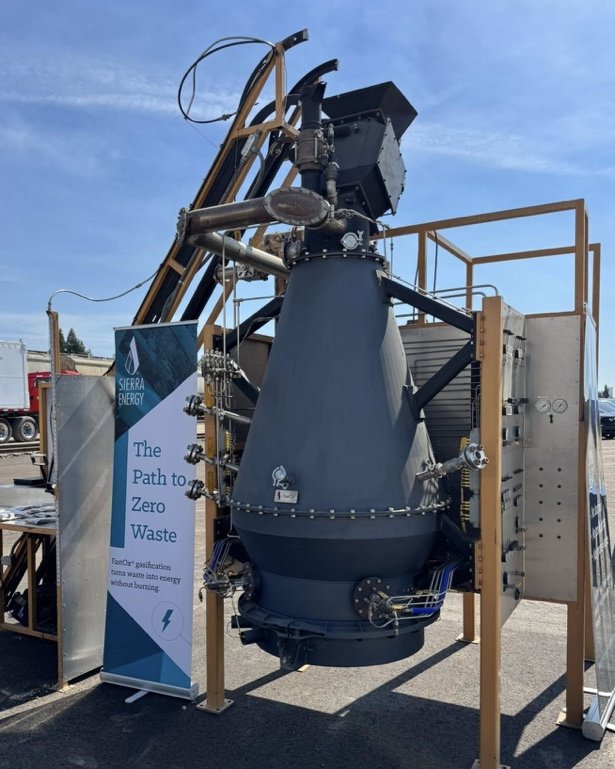
 Technology validation
Bench-scale testing at RETC, the Fort Hunter Liggett pilot, and the Gen 2 improvements behind the 100 MTPD commercial offering.
 Technology
 Intellectual property and innovation
Three patent applications and the operating know-how behind FastOx gasification technology.
 Technology
 Competitive advantage in MSW valorization
How FastOx gasification compares with incineration and low-temperature conversion for municipal solid waste.
 Environment
 Environmental and sustainability value
Greenhouse gas, landfill and open-dumping impact analyses for FastOx gasification projects.
 Economics
 Commercial value of FastOx gasification projects
Illustrative project-level economics and revenue stacks by end product.
 Projects
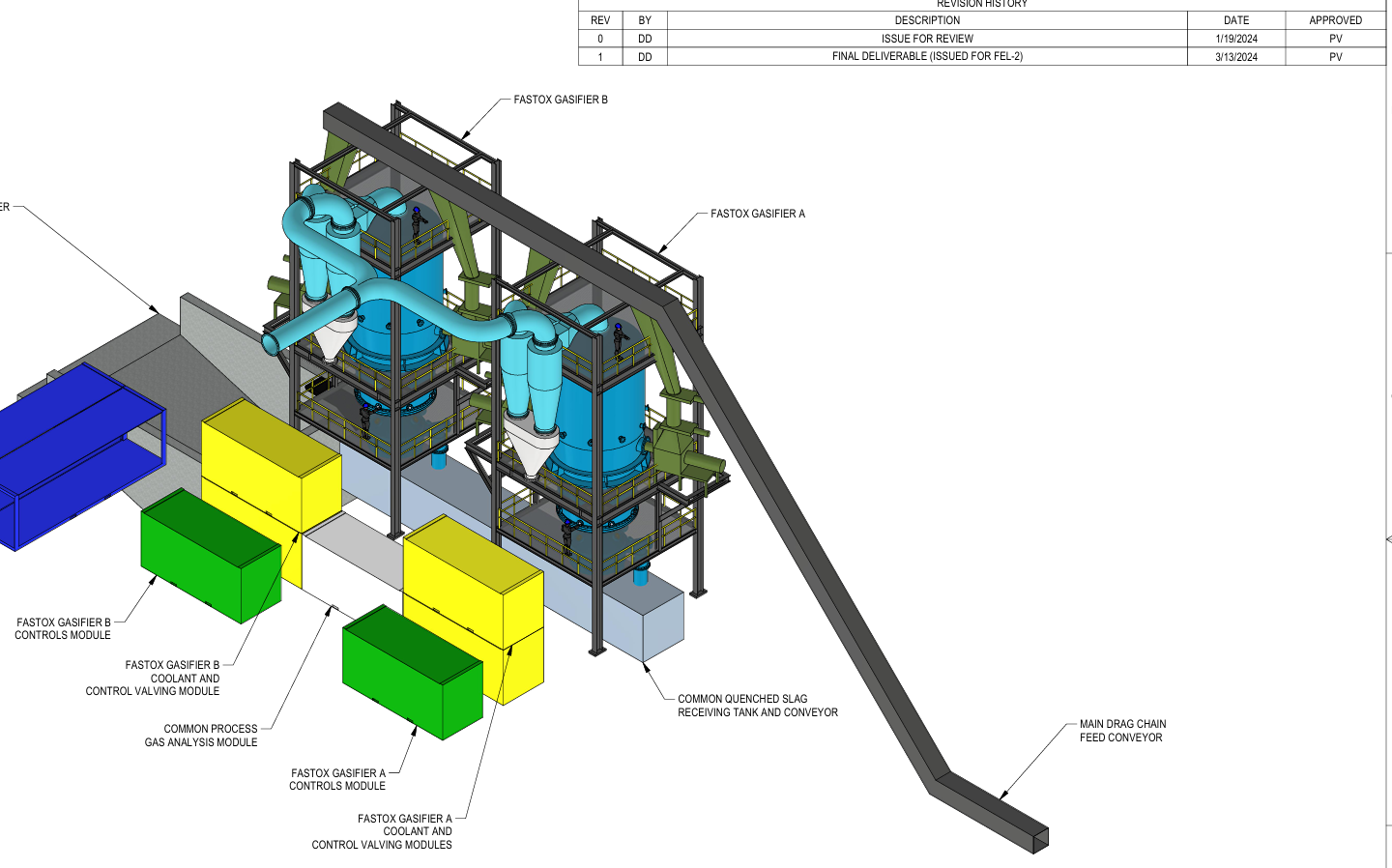
 Front-end engineering (FEED) experience
Front End Loading studies delivered since 2021 in the U.S., Vietnam, Saudi Arabia and Latvia.
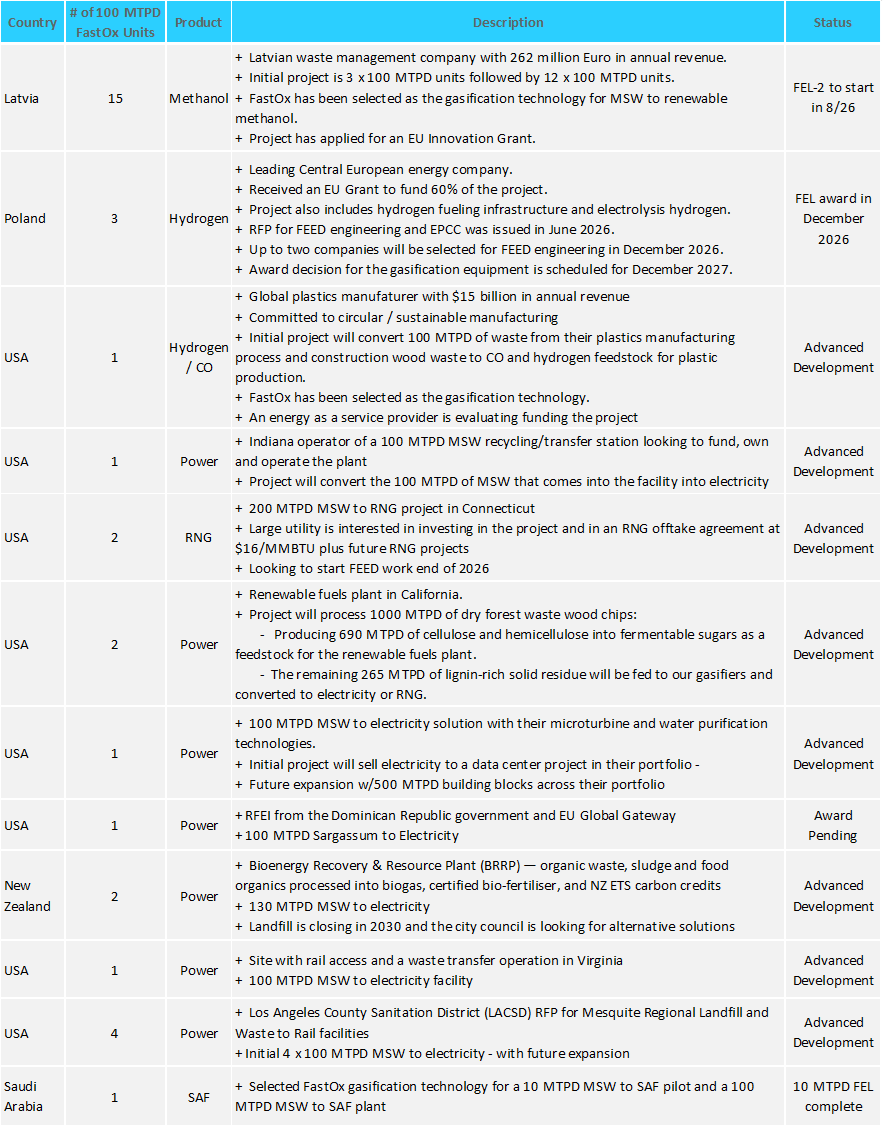 Projects
 Project pipeline
Selected prospects at varying stages of discussion, evaluation, engineering and development.
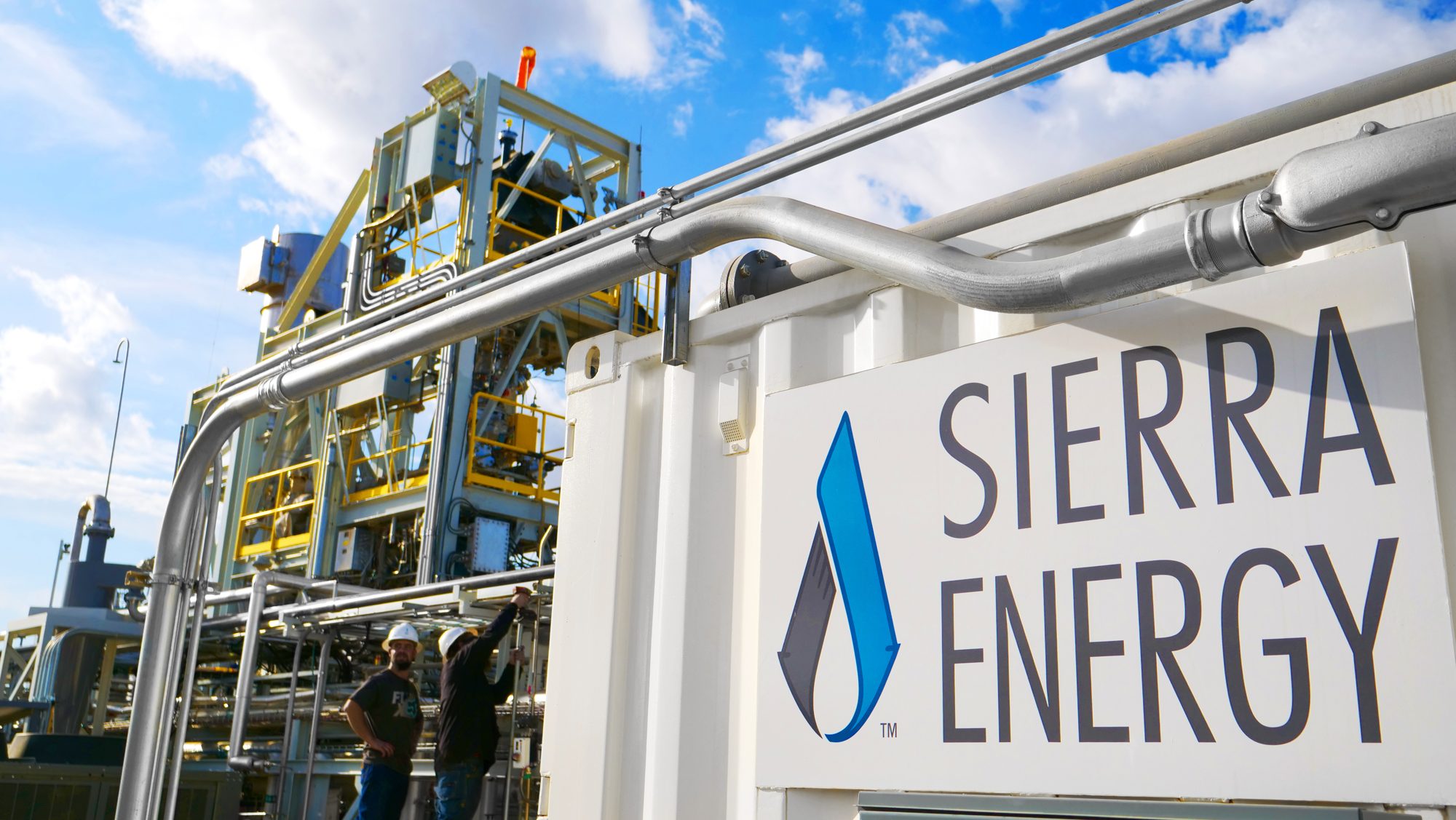 Company
 Building the future of waste conversion
From Kaiser Steel blast-furnace know-how to the Gen 2 gasifier: two decades of FastOx development.
Technology
How does FastOx gasification work?
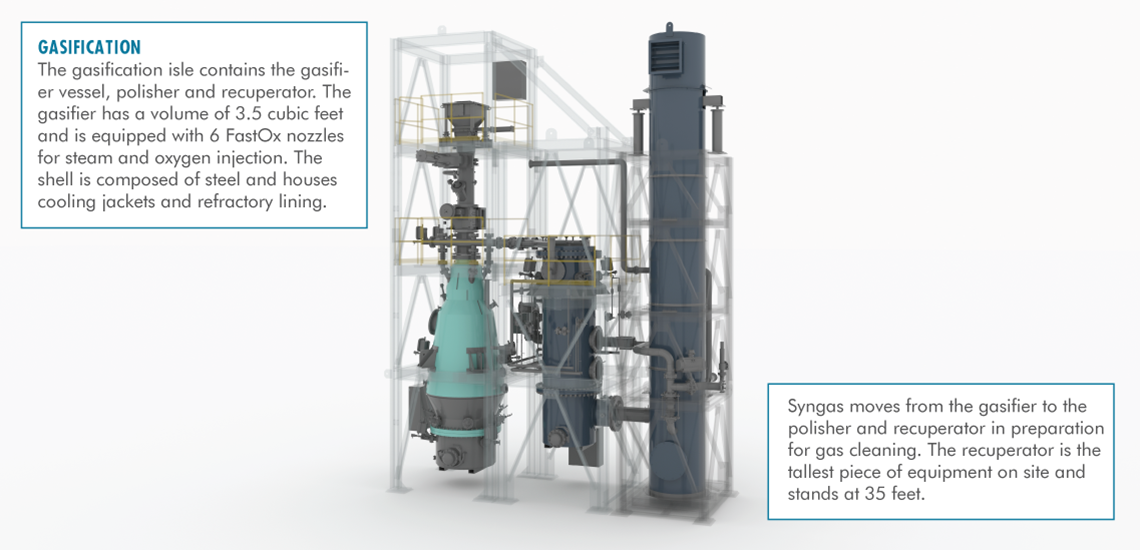
FastOx gasification systems employ a fixed-bed system that breaks down waste at the molecular level. Waste is fed into the top of the gasifier vessel through an airlock. Purified oxygen and steam are injected into the base.
Complete FastOx system and plant
These components can be summarized as component isles: preprocessing, gasification, additional gas cleaning (if needed for back end system), utilities sub-system, and back end system. Continue reading for a more detailed description of the complete gasification system. Gasification Process Overview Preprocessing After waste materials are delivered to the site, they are sent to
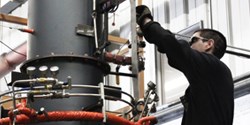
FastOx background and milestones
Discover the history, evolution, and future of FastOx gasification. Development Summary From 2009 to 2013, Sierra Energy developed and validated its technology at the Renewable Energy Testing Center (RETC) located at the McClellan Air Force Base in Sacramento. Using start-up funds from the Department of Defense (DoD), we set out to validate our heat and

How does the system handle moisture?
Drying Sierra Energy typically designs the preprocessing stage to dry waste down to around 20% moisture by weight. This helps to optimize the efficiency of the gasification stage. Even though the FastOx gasification system can handle wastes with moisture content up to 50% (by weight on wet basis) without pre-treatment, it makes more thermodynamic sense to pre-dry the
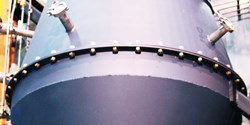
Types of gasification
A summary of how gasifiers are categorized as well as their comparative advantages and disadvantages. Low-Temperature Gasifiers Low-temperature gasifiers lack feedstock flexibility and generally operate at a lower efficiency than a FastOx gasification systems. These systems also require feedstock sorting, and are limited in their ability to scale. Downdraft Gasifiers In downdraft gasifiers, gases flow down in the same
Feedstocks
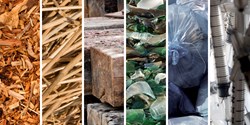
FastOx gasification feedstock overview
FastOx gasification is designed to accept a wide range of waste streams. Learn more about the types of acceptable wastes and the flexibility of FastOx gasification. What is Essential to FastOx Gasification? Sierra Energy focuses on converting non-recyclable trash into energy. Based on that principle, our FastOx gasification systems have been developed to create energy-dense syngas from the elemental carbon contained within
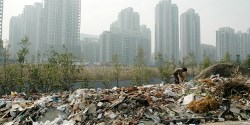
Municipal solid waste (MSW)
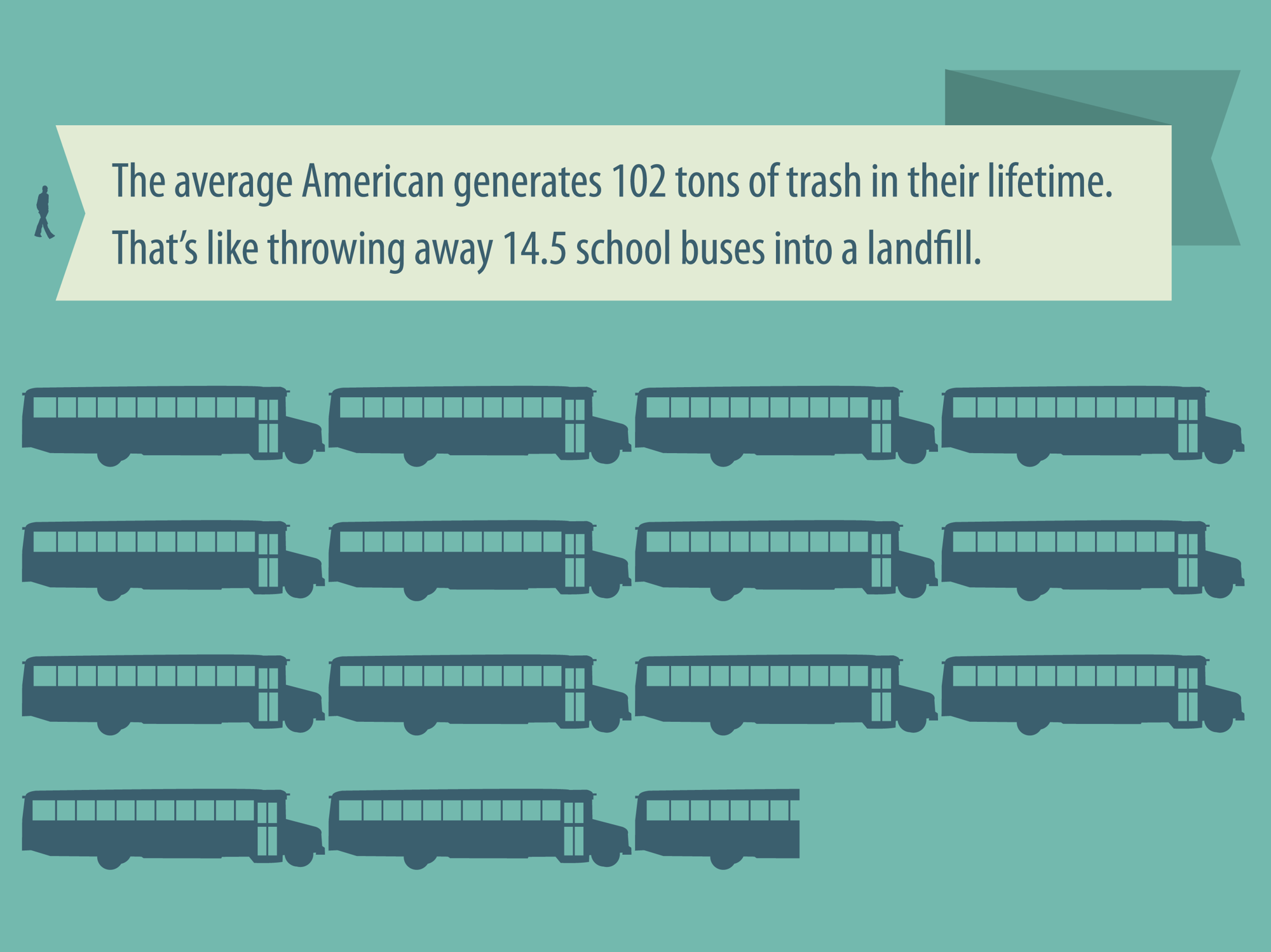
In 2014, Americans produced over 258 million tons of MSW. The majority of this waste is sent to landfills which in 2013 collected an average tip fee of $49 per ton (EPA, 2014). This rate of trash generation translates to over 1,600 pounds produced by a single person in a year. Over a lifetime, that's

Biomass gasification
FastOx gasification is the ideal technology for converting the most diverse range of biomass feedstocks, including mixed biomass, into syngas suitable for downstream conversion into renewable energy and fuels. Find out why FastOx gasification is so suitable for mixed biomass feedstocks. What is Biomass? Biomass is organic matter, such as plant material and animal waste,
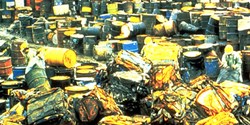
Complex waste
FastOx® gasification handles the most difficult waste. Learn what these wastes are and how they are processed. Intro Complex waste requires a myriad rigorous disposal techniques. Many of these methods only partially dispose of these waste streams, and, typically, have a negative impact on the environment. Sierra Energy's FastOx gasification systems provide a simple alternative to
Outputs

Valuable end products
Our high-quality syngas can produce a variety of valuable end products. Overview of Valuable End Products FastOx gasification systems produce a high-quality syngas that can be converted into a number of valuable end products. These products are formed using back end systems and technologies developed by trusted third party companies. These tried and true technologies can be
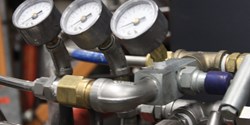
Syngas
Explore synthesis gas, the primary product of FastOx gasification, its uses, and the specific type seen in the FastOx process. What is Syngas? Syngas, short for "synthesis gas", is a term used to describe a gas consisting primarily of carbon monoxide (CO) and hydrogen (H2). This energy-dense gas is similar in application to natural gas in
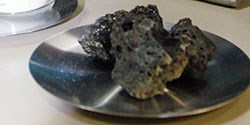
Inert stone products
Like a conventional iron-making blast furnace, there are “tapholes” at the lower side of Sierra's FastOx gasification system. The taphole is where the molten metals and inert stone are removed via gravity and slight pressure differences. Types of Inert Stone There are several different types of inert stone that result from the cooling process: Granulated Stone (commonly known as

Electricity
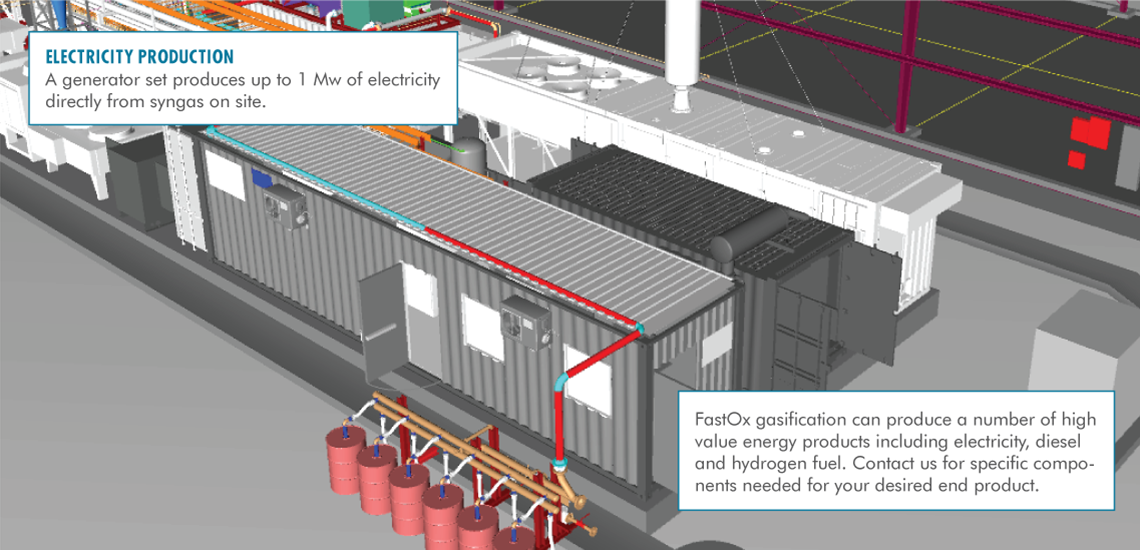
Explore the electrifying opportunity available in power production, the easiest end product to make using FastOx gasification. FastOx Gasification Syngas Vs Conventional Fossil Fuels The syngas produced by FastOx gasification results in electricity production with lower specific emissions than typical fossil fuel electricity generation. Syngas from FastOx gasification breaks apart more completely than

Diesel and other Fischer-Tropsch liquids
Discover how to make clean diesel and other liquid fuels using FastOx gasification. Production Fischer-Tropsch (FT) systems convert syngas through a series of chemical reactions over a catalysts (typically cobalt and iron) to produce sulfur-free and aromatic-free renewable diesel. Fischer-Tropsch diesel is sulfur-free and aromatic-free.

Hydrogen
Learn how FastOx gasification makes this potential "fuel of the future". Production Hydrogen (H2) can be efficiently generated from the syngas produced by FastOx gasification. H2 is one of the easiest renewable products to be formed as the high-quality syngas from FastOx systems contains a high volume of H2 (exact quantities depend on feedstock used). These levels can be further improved
Environment
A long-term solution to landfills
The Issue with Landfills The United States generates over 250 million tons of municipal solid waste (MSW) per year. A figure that does not include waste from agricultural, food processing, consumer electronics, and industry. More than half of this is waste is also landfilled. Landfills are a major producer of greenhouse gas emissions. As waste bakes

Emissions
Learn about gasifier emissions and the potential implications. What does the FastOx gasification system Produce? The FastOx gasification system is a closed-loop system that converts waste into syngas that is then converted into high-value salable end products with no waste by-products created. Prior to processing at the back end, the syngas passes through a gas cleaning stage that prepares it
No articles match your search.